
SOBODA.
Discovery Center
A rarely seen omnivore of the Taiga.
- first encounter
- Alaska / 1960s
- recorded encounters
- 40
- habitat
- caves & forests / Taiga
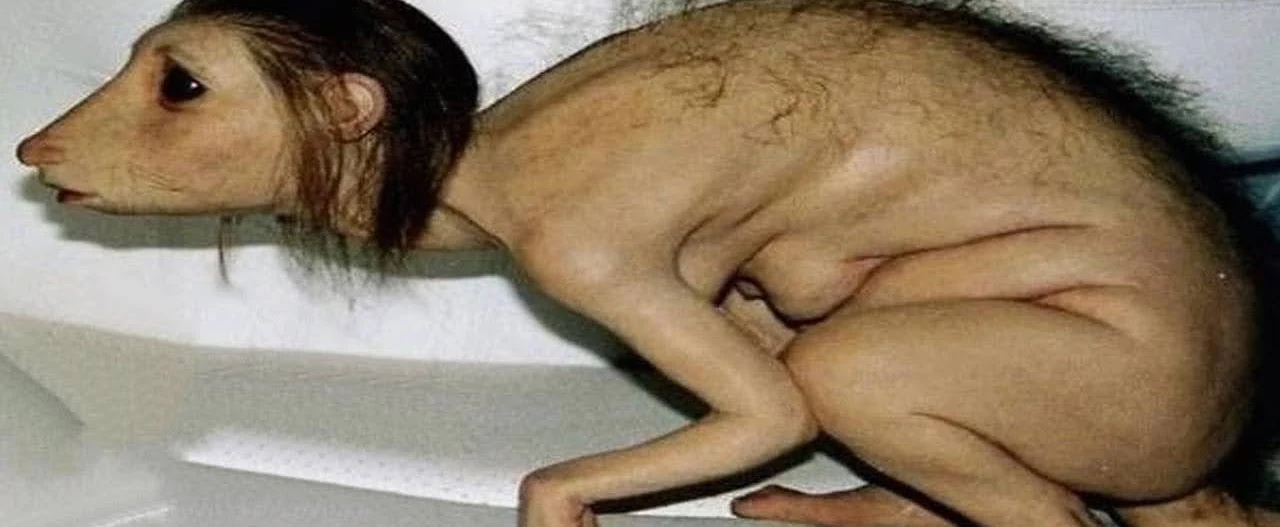
Loading specimen…
view the image archiveFew encounters.
Strange evidence.
The first encounter was recorded in Alaska in the 1960s. Almost human footprints, traces of hair, and a voice that imitates its surroundings: these are the clues described in the original Soboda archive.
- 1960s
The first encounter
Alaska. The Soboda is found in caves, sheltered from the Taiga’s harsh climate.
- 2005
A connection to the black bear
The archive’s DNA record describes a link between the Soboda and the American black bear.
- c. 2021
The first sketch
A visual record joins the file, tracing the creature’s unusual form.
Inside the file.
Notes from the original Soboda archive.
habitat & identification
Found in caves in the Taiga due to its barebones nature. Evidence includes almost human-like footprints and strands of hair around the forest.
Its hair is often mistaken for that of the American black bear, with the same texture and pungence. The archive records a DNA test in 2005 describing the Soboda as an ancestor of the black bear.
behavior & defense
To lure prey, the Soboda can imitate sounds from other animals and humans.
When faced with danger, it stands on its two hind feet and screams at the predator, using its almost human-like nature to frighten it away.
life cycle
The archive describes a short lifespan of around a month. To survive the Taiga’s climate, the Soboda switches sexes to procreate and lays eggs around trees, ponds, or caves.
In the off chance that a Soboda is killed, the original field notes describe it as bleeding smegma.
Dr. Rasha.
“The man who discovered
the impossible.”
Born in New York in 1940, Dr. Rasha is described in the original archive as the leader of the NYU Discovery Center for Medicine and Care. The discovery of the Soboda became his defining work.
read his archive entry
He’s 9'7 and has 7 kids and 3 wives. He’s always wanted to become something more. Upon the discovery of the Soboda, he changed the world for the way better.
He’s off the grid, got tats on his ribs; he unfortunately has passed away in Madrid. His brain is preserved and is believed to be used to power the NYU University.
Look a little
closer.
Four views from the Soboda archive.
Select a record to enlarge it.
The iconic Soboda
The archive’s only known photograph.
The first sketch
The form, traced in ink. Circa 2021.
The expanded view
An AI-generated interpretation from the original archive.
Zooted Soboda
“High Soboda, more dangerous.”